Selected work
Case studies that keep the process visible: what users said, what changed along the way, and why.
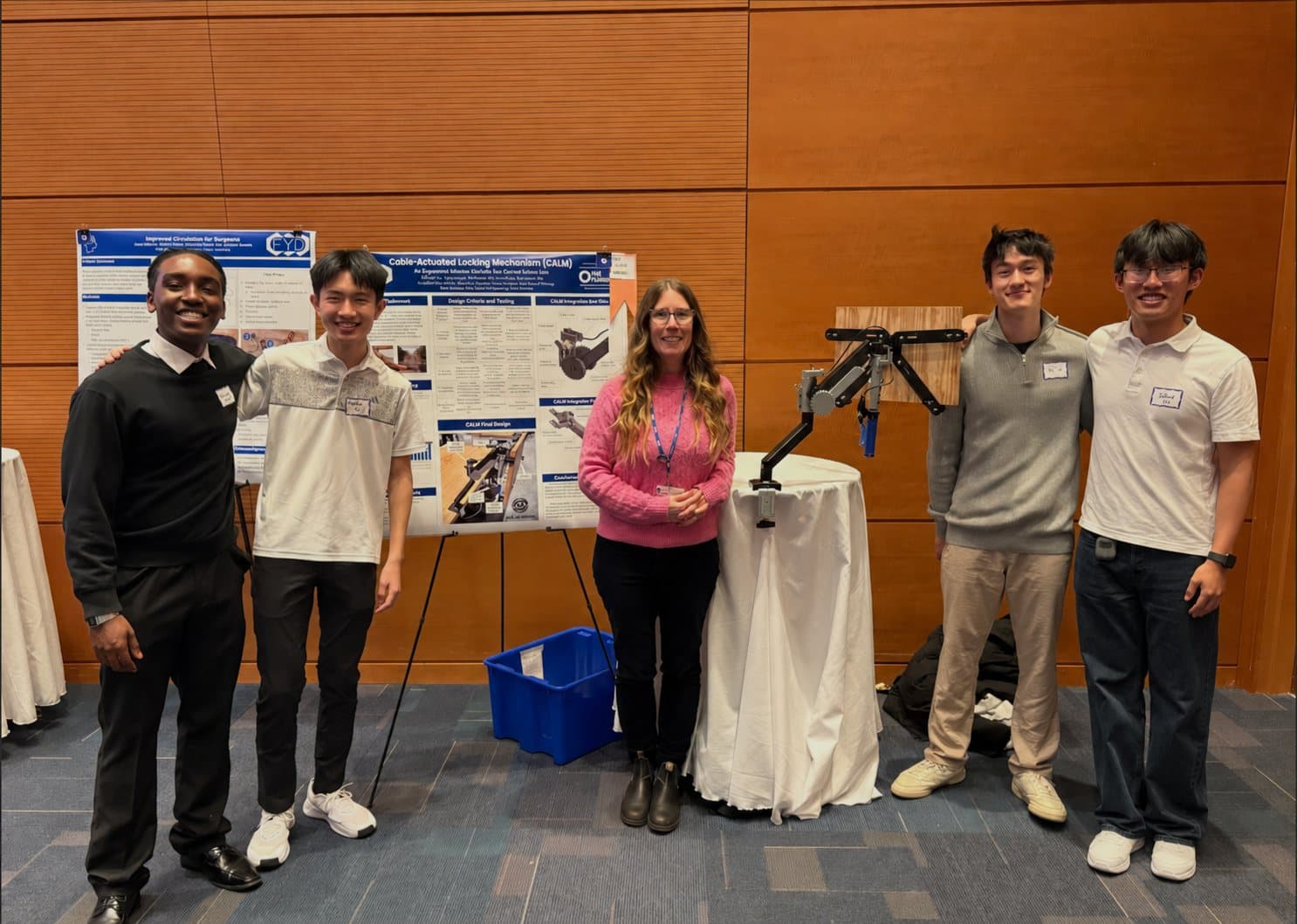
CALM — Cable-Actuated Locking Mechanism
Everyone we talked to had tried a monitor arm, and every one of them sagged. After our own printed arm snapped at 22.95 lb, we changed direction: instead of replacing the arm, make the arm people already owned hold position.
Design Award Winner
Read the case study
Icarus
Every study app assumes you'll remember to open it. Icarus doesn't wait — it locks your distracting apps behind a few questions pulled from your own notes, so the moment you'd normally lose to scrolling turns into review instead.
Live on the App Store
Read the case study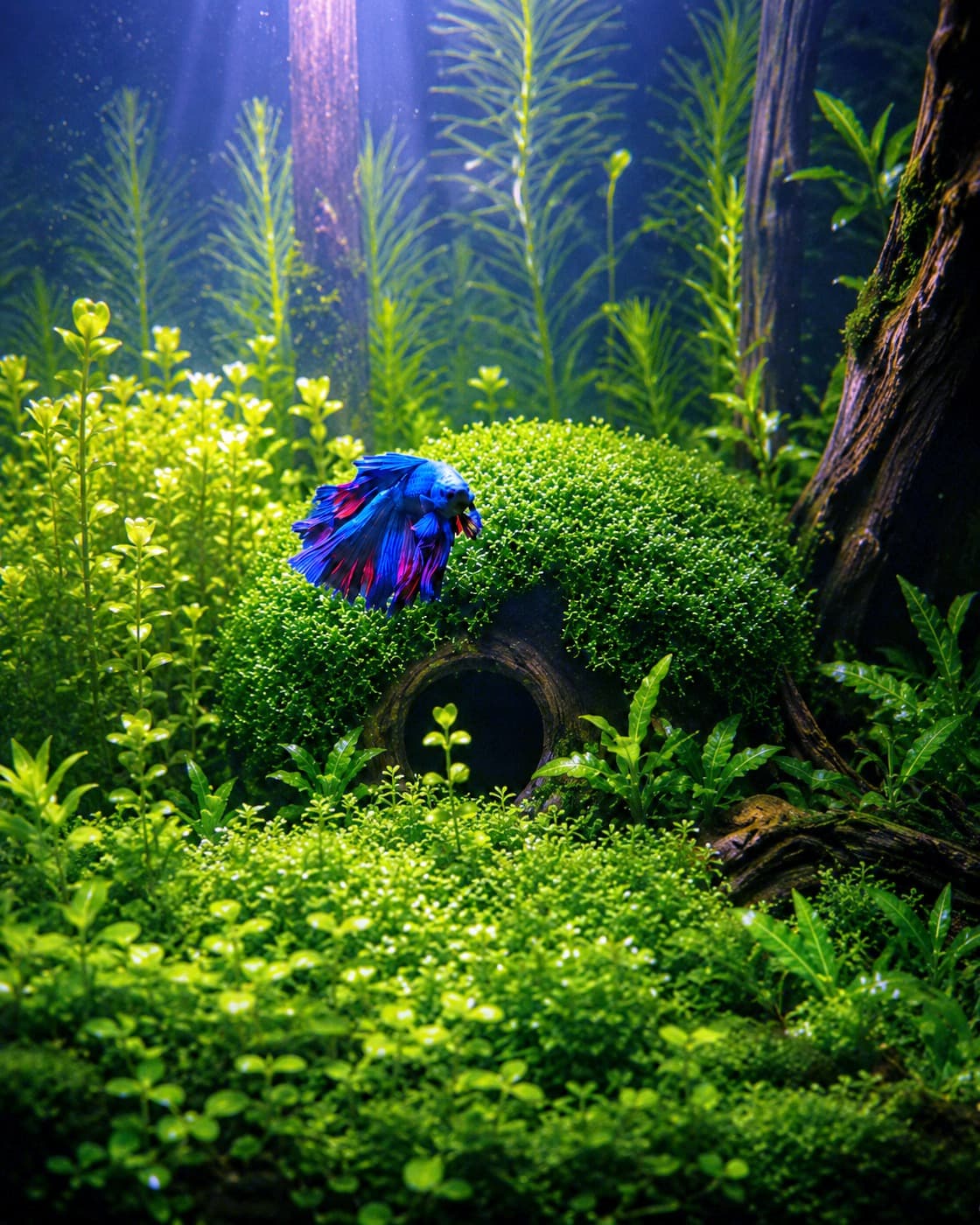
Betta Plants
What started as an eBay side hustle to fund my own aquarium became a real small business once I rebuilt it around value instead of price — and later a second attempt, as a content site, to see if the same plant knowledge could work as SEO instead of listings.
Read the case study